Introduction
Holistic health is evolving, and two practices, microdosing psychedelics and acudetox (a five-point ear acupuncture protocol), are gaining attention as tools for mental health and wellness. While they come from very different traditions, both share a common goal: helping us feel more grounded, connected, and resilient.
This blog gives you an overview of what each practice is, what research and personal reports are saying, and how they might complement one another in a modern wellness routine.
Understanding Microdosing
So what exactly is microdosing, and why are so many people talking about it? Let’s break it down.
Microdosing is all about taking a tiny amount of a psychedelic substance (most often psilocybin or LSD). The idea isn’t to trip or go on a cosmic rollercoaster, but to gently shift the mind—boosting mood, focus, and creativity, or even easing anxiety and depression.
Brain imaging research has shown psychedelics can “shake up” rigid thought patterns and spark new connections in the brain—kind of like hitting refresh on a frozen computer. While microdoses are much smaller, many believe they tap into some of these same benefits, opening the door for fresh habits, new perspectives, and healthier thought loops.
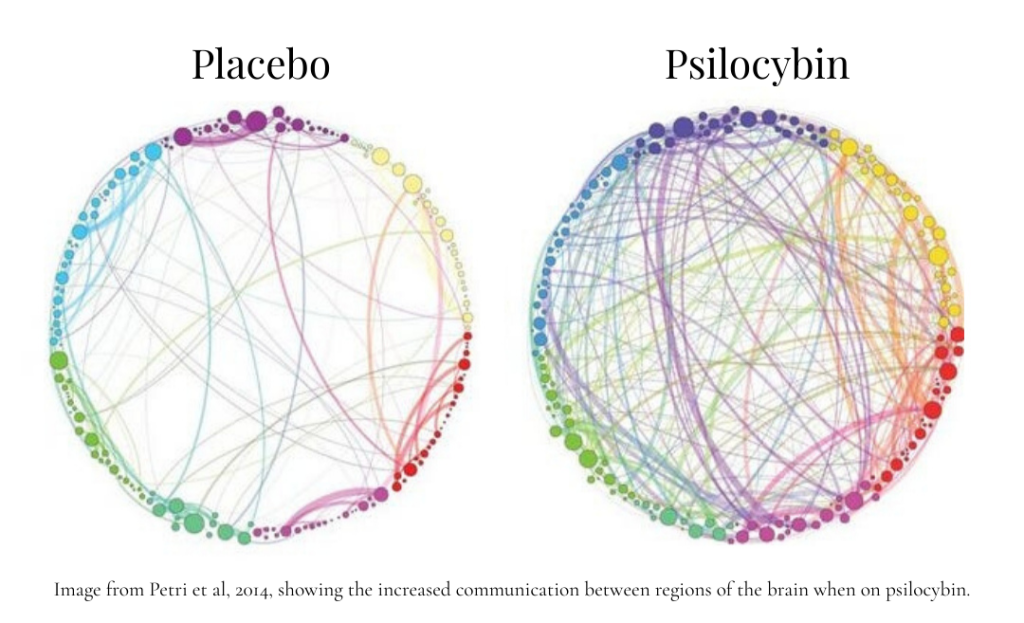
A 2024 review found multiple studies linking microdosing to better mental health outcomes. For example, Anderson et al. (2019) reported that people noticed improvements in mood, outlook, and even qualities like wisdom and emotional depth. Meanwhile, Johnstad (2018) found that microdosers often functioned better day-to-day, felt healthier overall, and experienced small but meaningful drops in depression and anxiety, especially when other treatments hadn’t worked.
What sets microdosing apart is the intention behind it. Instead of numbing or checking out, it’s framed as a way to tune in, helping us to turn the volume up on life’s finer details.
Acudetox Explained
Now let’s shift from micro amounts of psychedelics to tiny needles in the ear; acudetox has its own unique way of supporting calm and recovery.
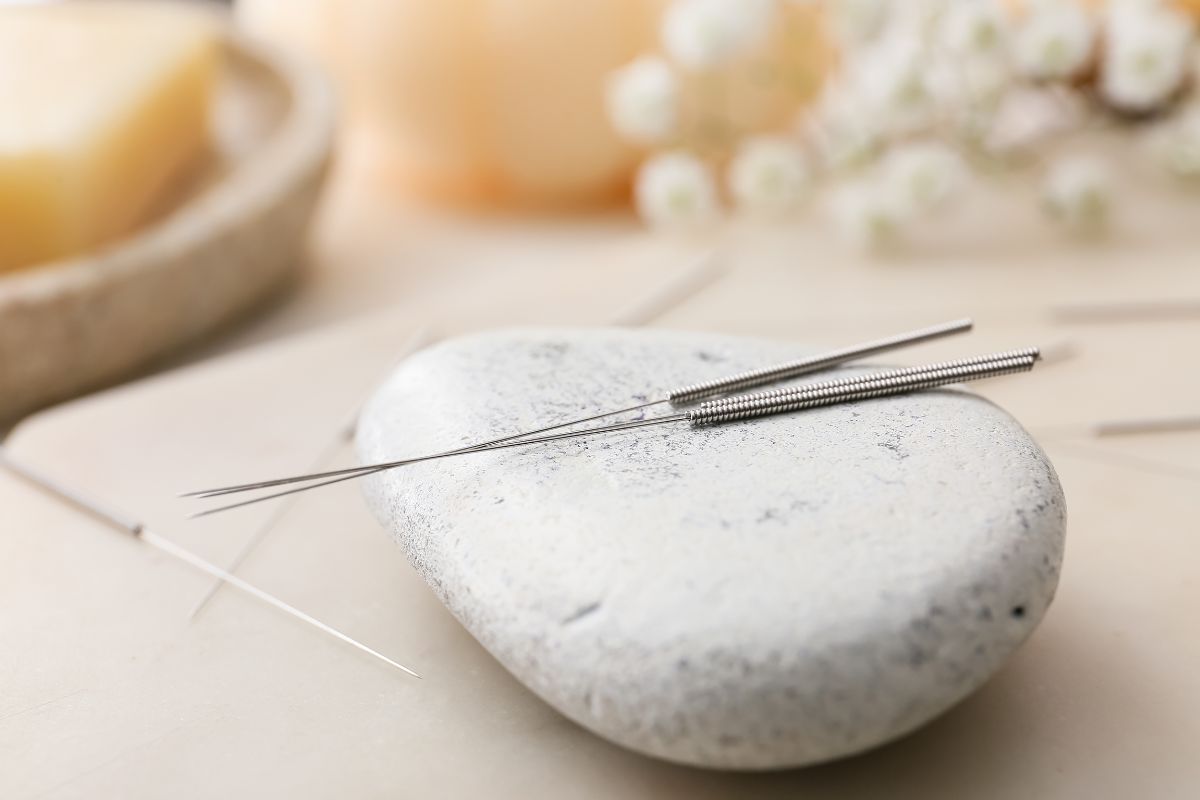
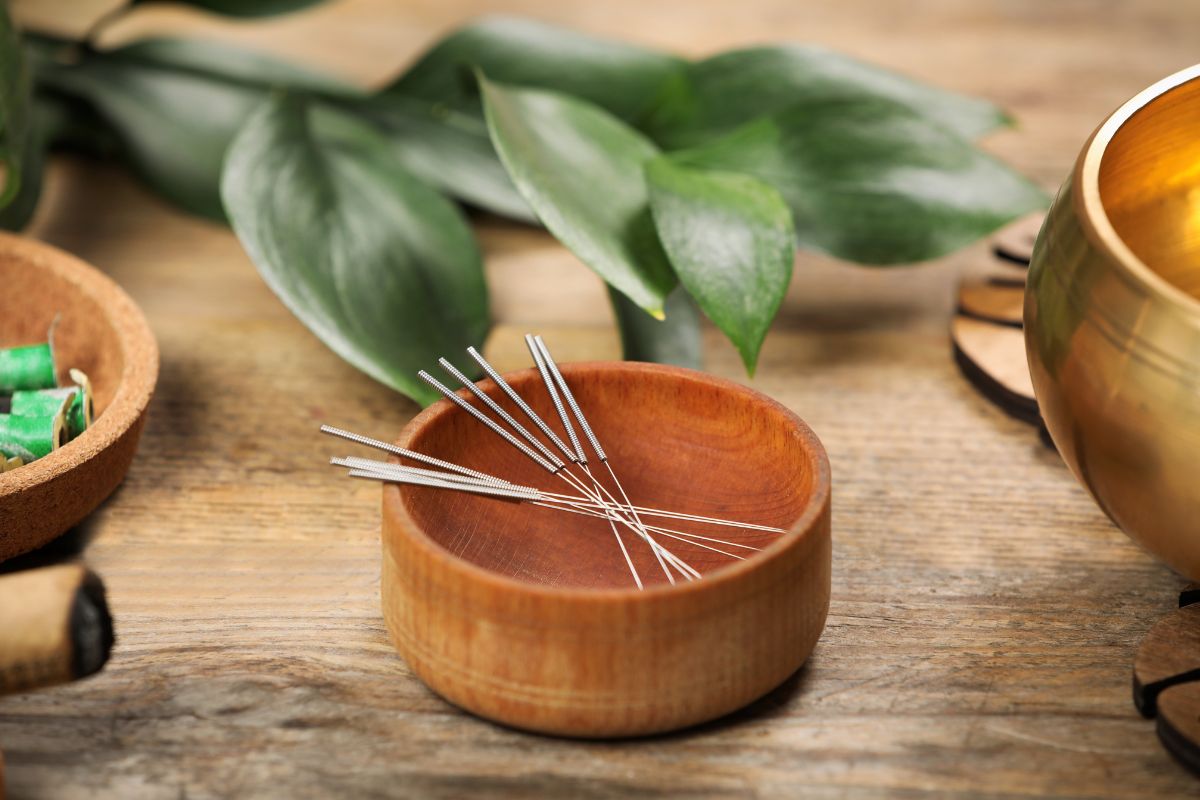
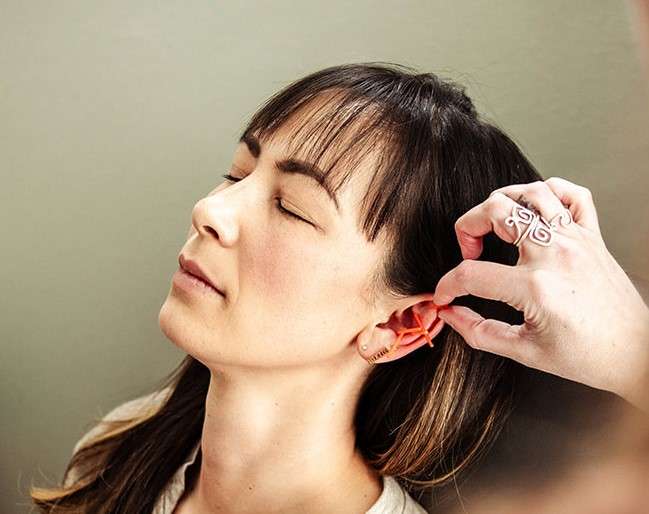
Acudetox is a specialized acupuncture protocol using five points in each ear, designed to support addiction recovery, reduce stress, and bring emotional balance back online. Originally developed as a simple, low-cost way to help people through drug addiction, it quickly became clear that “detox” in this context means more than just clearing substances. It’s also about clearing mental and emotional clutter.
The five ear points – Sympathetic, ShenMen, Liver, Kidney, and Lung – are chosen for their ability to help regulate the nervous system and ease stress responses. Together, they work like tuning forks, helping the body and mind find harmony again.
Research suggests acudetox encourages the release of “feel-good” brain chemicals like dopamine and serotonin—the same messengers tied to mood, motivation, and relaxation. Reported benefits include stress relief, better sleep, fewer cravings, and an overall lift in mood.
Many participants describe it simply: they leave the chair feeling lighter, calmer, and more at ease.
The Synergy of Microdosing and Acudetox
On their own, each of these practices has powerful potential. But what happens when we look at how they can complement each other?
Microdosing and acudetox may seem like very different paths, but they share a common goal: supporting the mind, body, and spirit in harmony. Each has its own rhythm. With acudetox, you sit quietly for 30–40 minutes while the needles do their work; an intentional pause that helps the body release tension and the mind exhale. Microdosing, on the other hand, unfolds as a reflective practice over time: setting intentions, noticing subtle shifts, and integrating with journaling or meditation.
Neither is about numbing or avoiding the hard stuff. Instead, both invite us to check in and become more aware of emotions, patterns, and needs. And while they can stand alone, they can also fit beautifully together as part of a larger wellness routine.
Practical Considerations and Risks
Of course, no wellness practice comes without things to keep in mind.
One of the big perks of acudetox is that it’s accessible and affordable. Group sessions keep the cost lower than traditional acupuncture, and with many states allowing professionals to train in the NADA five-point protocol, it’s fairly easy to find a practitioner.
Microdosing can also be relatively inexpensive compared to other wellness practices. In places like Colorado, where it’s legal to grow or share mushrooms, a small amount can last quite a while. It’s one of those rare cases where “less is more” applies in more ways than one.
That said, psychedelics are still federally illegal and remain prohibited in many areas. While some regions are moving toward decriminalization and safe access, laws vary widely and knowing the rules where you live is essential before diving in.
And as with any healing tool, the best results often come with the right support. Seeking out a qualified acudetox practitioner or working with a trained microdosing integration coach can help guide the process, while also ensuring you don’t become overly reliant on any one method. At the end of the day, wellness isn’t about a silver bullet—it’s about balance, intention, and choosing the tools that fit your journey.
Conclusion
Microdosing and acudetox both offer ways to slow down, tune in, and support balance in everyday life. Research and personal experiences suggest benefits like reduced stress, improved mood, and greater self-awareness, but they’re not one-size-fits-all solutions.
The key is balance: approaching these practices with intention, knowing the legal and practical considerations, and choosing what truly feels right for you. Wellness is personal, and these tools are just options along the journey toward a healthier, more connected you.
Sources
1). Daws, R.E., Timmermann, C., Giribaldi, B. et al. Increased global integration in the brain after psilocybin therapy for depression. Nat Med 28, 844–851 (2022). https://doi.org/10.1038/s41591-022-01744-z
2) Siegel, J.S., Subramanian, S., Perry, D. et al. Psilocybin desynchronizes the human brain. Nature 632, 131–138 (2024). https://doi.org/10.1038/s41586-024-07624-5
3) Lo DF, Zia H, Rajkumar P, et al. Modern psychedelic microdosing research on mental health: a systematic review. Prim Care Companion CNS Disord. 2024;26(1):23r03581. https://www.psychiatrist.com/pcc/modern-psychedelic-microdosing-research-mental-health-systematic-review/
4) Anderson T, Petranker R, Rosenbaum D, et al. Microdosing psychedelics: personality, mental health, and creativity differences in microdosers. Psychopharmacology (Berl). 2019;236(2):731–740. PubMed CrossRef
5) Johnstad PG. Powerful substances in tiny amounts: an interview study of psychedelic microdosing. Nordisk Alkohol Nark. 2018;35(1):39–51. PubMed CrossRef
6) https://www.marylandrecovery.com/blog/acudetox-help-during-detox
7) https://acupuncturetoday.com/about-acupuncture/the-nada-protocol
8) Petri G., Expert P., Turkheimer F., Carhart-Harris R., Nutt D., Hellyer P.J. and Vaccarino F. 2014 Homological scaffolds of brain functional networks. J.R. Soc. Interface. 11: 20140873. https://royalsocietypublishing.org/doi/full/10.1098/rsif.2014.0873